Bed bug signs, treatment, and what NOT to do
How to identify a bed bug infestation early, why one visit usually isn’t enough, and the common mistakes that spread bed bugs through a whole apartment.
The short version
Bed bugs (Cimex lectularius) are 4–5 mm reddish-brown insects that live in mattress seams, headboards, baseboards, and electrical outlets near beds, come out at night to feed on sleeping humans, and have become widely resistant to off-the-shelf insecticides since around 2000. Australian populations especially: big tourism flow, lots of share accommodation. DIY treatment fails the majority of the time. A pro treatment is a treatment and one or two follow-up visits, typically combining heat with targeted residual chemical, at $200–$450 per room (a whole job costs more).
What they look like
- Adults: 4–5 mm, flat oval body, reddish-brown (darker after feeding), six legs, no wings. About the size of an apple seed. Visible to the naked eye if you know where to look.
- Nymphs (juveniles): 1.5–4 mm, translucent or pale yellow, hard to spot. Five moult stages before adulthood.
- Eggs: 1 mm, white-translucent, glued to surfaces in clusters of 10–50. Usually in seams or crevices, not loose. A female lays 1–5 per day.
- Cast skins: translucent shells in nymph shapes, left behind at each moult. Often visible before live bugs are found.
Easy to confuse with carpet beetles, fleas, or bat bugs. If you find an insect that could be one of those, photograph it and bring it to a pro for ID before you spend on treatment.
Signs you have them
- Bites in lines or small clusters. Bed bugs feed multiple times in one session. Three bites in a line (“breakfast, lunch, dinner”) is the classic pattern. Itchy red welts, usually on arms, shoulders, neck, or legs. Not everyone reacts to bites; some people show no reaction at all.
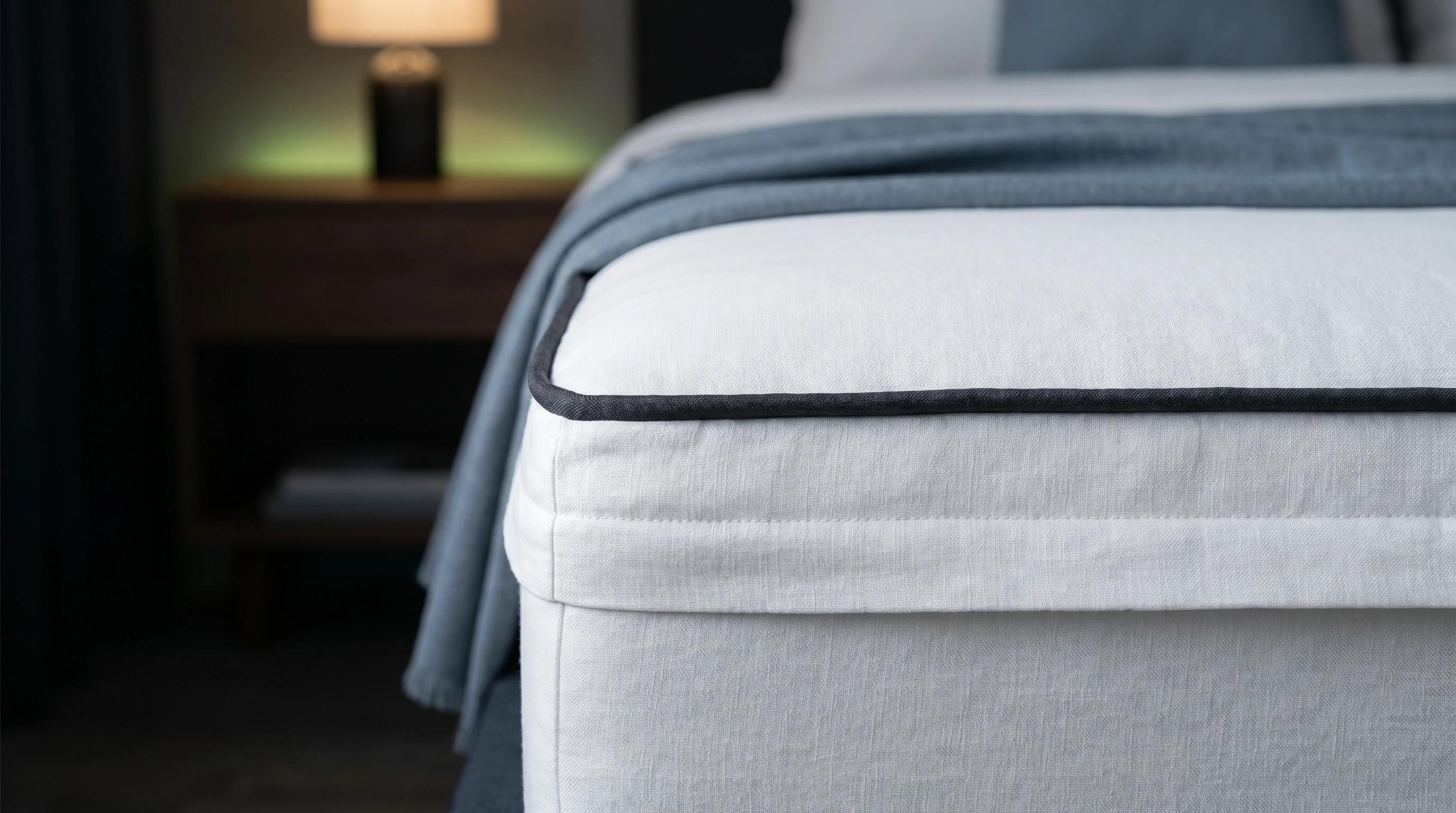
- Rust-coloured spots on the mattress or sheets. Crushed bed bugs after a feed, or droppings (digested blood). Most often along the piping seam of the mattress, on the box-spring fabric underside, or on the headboard near where you sleep.
- Black flecks the size of a pen dot. Bed bug faeces. Often in clusters in seams. Smear when wiped with a damp cloth.
- Cast skins in mattress seams. Translucent papery shells.
- Live bugs in seams. Strip the bed and check mattress piping with a torch. Bed bugs cluster: if you find one, you usually find ten.
- Sweet musty smell in a heavily infested room. Most people don’t notice this until a pro points it out.
Where they hide
Bed bugs need to be within about 2 metres of where you sleep, and they wedge into anything they can. In rough order of likelihood:
- Mattress piping and seams (especially head end)
- Box-spring fabric underside and joints
- Bed frame joints, screw holes, slats
- Headboard (especially upholstered or hollow ones)
- Baseboards and skirting around the bed
- Bedside table joints and drawer runners
- Electrical outlets, light switches, smoke alarms within 2 m of the bed
- Picture frames, curtain rods, window architraves
- Carpet edges where they meet the wall
- Books and clutter near the bed
They do not live on humans or pets. They feed and leave. Anyone selling you a “bed bug shampoo” is taking advantage of you.
How they spread
Bed bugs travel by hitchhiking, not by flying or jumping:
- Luggage from hotel/Airbnb stays (most common in Australia)
- Second-hand mattresses, couches, bed frames
- Share-house furniture moves
- Visitors’ overnight bags
- Public transport and cinemas (rare but possible)
- Apartment-building wall voids (they migrate between units)
A returning traveller is the typical Australian case. Standard precaution: when you return from a trip, unpack in the laundry, wash everything on hot, and tumble dry on hot for 30 minutes. A hot wash and a hot dryer kill bed bugs.
Why DIY mostly fails
Most Australian bed bug populations are resistant to off-the-shelf pyrethroid sprays: the bugs you spray die; the eggs and resistant survivors hatch in 7–10 days and rebuild. Bed bug eggs are also chemically protected; nothing you can buy at Bunnings reliably kills them.
Pro treatments work because they combine multiple modes of attack (heat which kills eggs, plus pro-grade chemical for residual control), apply across ALL harbourage (not just the bed), and follow up at 2–3 weeks to catch the next nymph cycle.
Treatment options
Heat treatment
The gold standard. A pro brings industrial heaters into the bedroom, raises the room to 50–55°C for several hours, and the heat penetrates mattresses, headboards, baseboards, killing every life stage including eggs. Heat can sometimes do the job in one visit. Most expensive option.
Caveats: heat-sensitive items (electronics, candles, plants, certain plastics) need to be removed first. The treatment takes 6–8 hours of room downtime.
Chemical treatment
A pro applies pro-grade residual insecticide (typically a residual insecticide plus an insect growth regulator (IGR)) to all harbourage surfaces (mattress seams, frame, baseboards, outlets, carpet edges). Usually needs a treatment and one or two follow-up visits to catch newly-hatched nymphs. $200–$450 per room; a whole job costs more.
Combination (most common)
Many pros now combine targeted heat (a steamer applied directly to seams and crevices) with a residual chemical treatment. Cheaper than full-room heat, more effective than chemical alone. Standard offering at most Australian operators today.
What NOT to do
- Don’t move infested items between rooms or to other houses. You’ll seed a new infestation. If you must move a mattress, wrap it completely in plastic and tape every seam before it leaves the bedroom.
- Don’t dump the mattress on the kerb. Councils fine dumping outside a booked collection, and an infested mattress spreads bed bugs to whoever takes it. The right disposal: wrap in plastic, label “BED BUGS: DO NOT TAKE,” and book council collection or transfer-station drop-off.
- Don’t throw the mattress out at all yet. Most pros will treat the mattress with a mattress encasement (a sealed cover that traps the remaining bugs to die inside) rather than ask you to replace it. New mattress goes on the cleaned, treated bed once the treatment has cleared them.
- Don’t bug-bomb / foggers. They scatter bed bugs into walls and adjacent rooms without killing them properly. The University of Kentucky study on this is a classic in the field. Pros advise against them.
- Don’t sleep in another room. The bugs follow the host. Within 2 weeks you have an infestation in the new room too. Sleep in the same bed until treatment is done. The bites are unpleasant but treatable; spreading the infestation is worse.
- Don’t use supermarket bug spray. Pyrethroid resistance, as above.
Preparation for the treatment
The pro will give you a prep checklist. Standard items:
- Wash all bedding, clothes from drawers near bed, soft toys on hot (60°C+) and tumble dry on hot for 30 minutes. Bag clean items in sealed plastic until treatment is complete.
- Vacuum the bedroom thoroughly: mattress, bed frame, carpet, baseboards. Dispose of the vacuum bag in a sealed bag immediately.
- Strip the bed: sheets, mattress protector, pillows all washed as above.
- Move furniture 30 cm from walls to give the pro access.
- Declutter the floor: anything stored under the bed gets bagged and washed or treated.
- Remove pets and humans from the treated area for the recommended downtime (usually 4 hours after chemical, 8 hours for heat).
After treatment
- Expect to see some live bugs for 7–10 days. The residual insecticide takes time and newly-hatched nymphs emerge from eggs that survived the first pass. This is why a 2-week follow-up is standard. Don’t panic.
- Mattress encasement stays on for 12 months minimum. Bed bugs can survive 6+ months without feeding; the encasement starves the trapped ones.
- Don’t use additional sprays or foggers. They interfere with the residual chemical and can drive bed bugs into harbourage.
- Sleep in the treated room from the first night onward. The bait host is you.
- Re-treatment if you see live bugs after 6 weeks. Reputable pros include the follow-up in the original quote.
If you’re renting
Who pays depends on when the infestation started and what caused it. In NSW, landlords are generally responsible for pests present at the start of the tenancy, and tenants for pests caused by their own activities or lack of cleanliness. Report in writing to the agent, keep the email trail, and request treatment within a reasonable time. If you can’t agree, NSW Fair Trading runs a dispute resolution service, and every state has a tenancy tribunal (NCAT, VCAT and so on) that can decide.
In a share-house, every room within wall-cavity range of the infested room needs inspecting and likely treating. Bed bugs migrate through walls.
If you’re a landlord or short-stay operator
One Airbnb review mentioning “bed bugs” is a months-long revenue hit. The standard playbook:
- Inspect changeovers: strip the bed, look at mattress seams under torchlight
- Mattress encasements on every bed
- Same-day pro response if a guest reports a bite
- Document treatment with the pro’s report. You’ll need it if guests dispute charges