Mosquito control in your backyard
Standing water matters most. Plus what residual sprays, traps, and foggers actually do (and don’t).
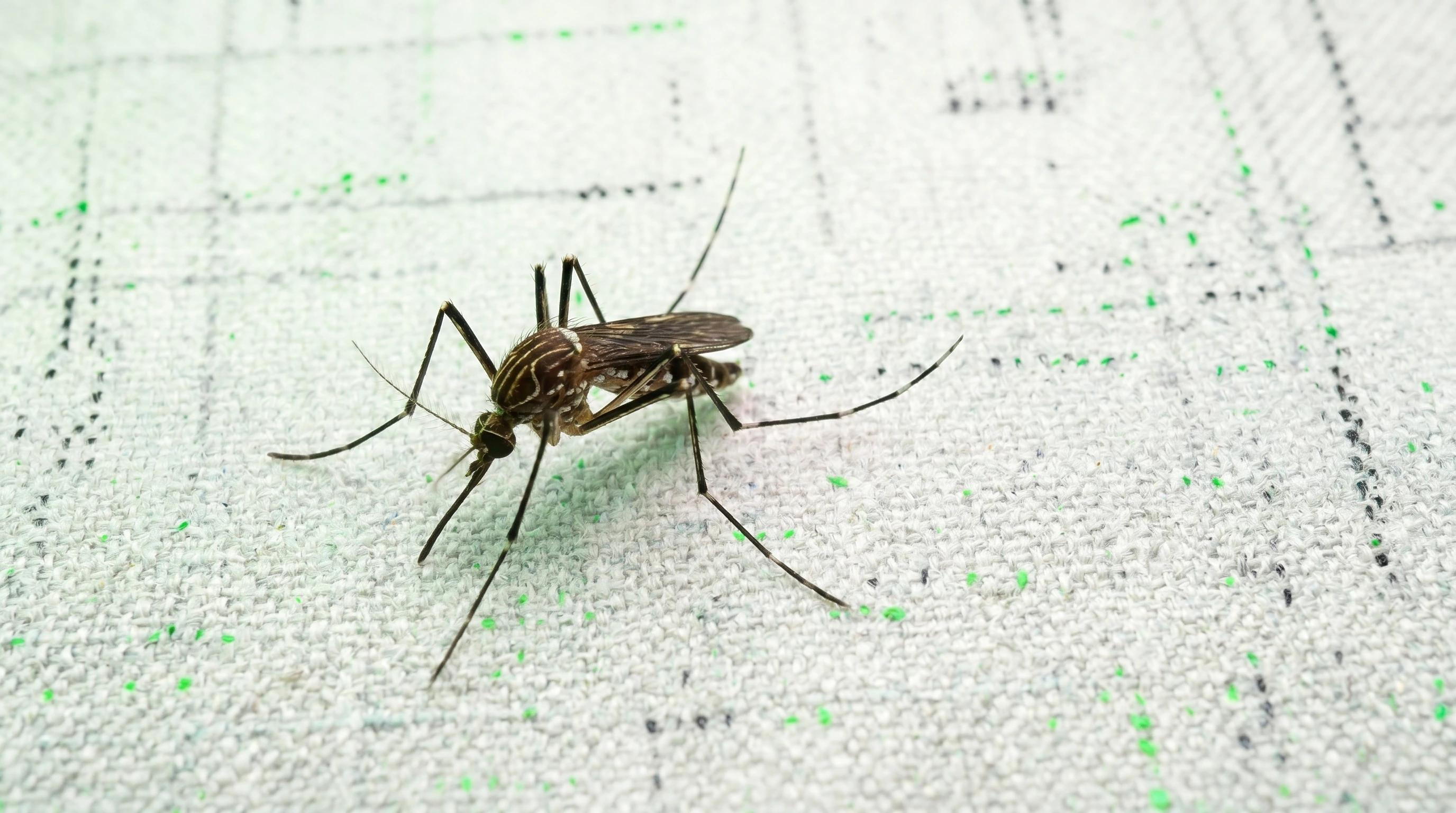
Step 1: the water audit
Mosquitoes need standing water (even a teaspoon’s worth) to complete their 7–14 day life cycle. Walk your yard with a notebook and check every spot that could hold water:
- Saucers under pot plants: the #1 source of suburban backyard mosquito breeding. Empty after every watering, or remove saucers and water directly.
- Blocked gutters: pooled rainwater in gutters breeds enormous numbers. Clean every 6 months minimum.
- Rainwater tanks: must have a mesh screen on every inlet and overflow. Check seasonally; mesh degrades.
- Pool covers that pool water on top: drain regularly.
- Children’s play equipment: bottoms of paddling pools, clamshell sand pits, tyre swings filled with water.
- Bins and recycling bins: lids should close fully. Water pooling in the rim is enough.
- Bromeliads in the garden: their water-holding leaf cups are prime breeding spots. Flush weekly or remove.
- Old tyres, buckets, drums, wheelbarrows left outside.
- Tarp folds, BBQ covers with pooled rainwater.
- Tree stumps or hollows that retain water.
- Ornamental ponds and fountains: need either fish, a continuously running pump, or BTI dunks (see below).
- Air conditioner condensate draining into a tray or basin.
Do this audit weekly through summer. Each fortnight is a full mosquito generation; missing one means another wave of biting adults.
Step 2: deal with water you can’t eliminate
Rainwater tanks, ponds, water features
Some water is permanent. For these:
- BTI dunks (Bacillus thuringiensis israelensis): slow-release tablets that target mosquito larvae. Follow the label for how much to use and how often.
- Fish in ponds: small native fish such as Pacific blue-eyes eat larvae. Combined with BTI, very effective. Don’t use or release mosquitofish (Gambusia): they’re an introduced pest that harms native fish and frogs.
- Continuous water movement: pumps or fountains. Mosquitoes can’t lay eggs on moving water.
Drains and grates
Stormwater drains and grates can breed mosquitoes if water sits in the trap. Pour BTI dunks (broken into pieces) through any suspect drain monthly during peak season.
Step 3: what to do about the adults
Residual outdoor surface spray
A pro applies a residual insecticide to shaded resting spots (under eaves, on shrub undersides, fence lines, dense garden bed perimeters). Adult mosquitoes land on the treated surface and die. Check the product label for how long it lasts, which depends on rain and sun exposure.
Cost: $200–$300 standalone, usually bundled with general pest treatment for $180–$400.
Mosquito misting systems
Automatic pre-installed misters that release insecticide on a timer. Common in commercial outdoor dining settings, not usually worth the install cost for residential. Installation is a significant cost.
Foggers
Pro foggers (cold or thermal) knock down adult mosquitoes in a treated area immediately. Effect lasts hours, not weeks. Useful for one-off events (wedding, outdoor party). Book the morning of, or evening before. Ask for a quote.
Traps
- CO2 traps (Mosquito Magnet, MegaCatch, etc.): generate CO2 + attractant, suck mosquitoes into a net. Effective at catching mosquitoes in a yard but expensive to buy and run. Not a substitute for water audit.
- Bug zappers: kill some mosquitoes but mostly kill harmless insects (beneficial moths, etc.) and are loud. Not recommended.
- Sticky traps and egg-laying traps (ovitraps): small home-made versions of these attract egg-laying females. Marginal effect compared to the water audit.
Personal protection
- DEET, picaridin, or oil of lemon eucalyptus on skin: the only repellents with consistent evidence. Check the label, including age limits for children.
- Permethrin-treated clothing: useful for hiking but overkill for backyard use.
- Citronella candles and incense: small localised effect (1–2 m radius) and only while burning. Don’t over-rely.
- Fans on the deck: surprisingly effective. Mosquitoes are weak fliers, so a standing fan keeps them away from the area right around it.
What doesn’t work
- Bug-zapper apps on phones (ultrasonic): no evidence of any effect.
- Plant-based deterrents alone (rosemary, basil, marigold, citronella geranium): minor effect at best, far less than DEET or fans.
- Garlic and B-vitamin pills: popular folk remedies, no meaningful evidence.
- Spraying citronella oil around the yard: short-lived, not residual.
If you’re near a major breeding source
Saltmarsh and mangroves, low-lying creek systems, or large stormwater catchments can produce mosquitoes that fly several kilometres. Backyard control has limits in these areas. Council vector-control programs (state-funded mosquito monitoring) cover many high-risk zones. Check your council’s mosquito control program. Personal protection (DEET, fans, screened windows) becomes more important than yard treatment.
Disease risk in Australia
Australian mosquitoes can carry Ross River virus, Barmah Forest virus, and in some regions Japanese encephalitis, Murray Valley encephalitis (northern Australia, occasionally further south after big floods), and dengue (FNQ outbreaks). Japanese encephalitis is no longer a northern-only risk: in early 2022 it was detected for the first time in Victoria, NSW, southern Queensland and South Australia. The risk in metro southern Australia is generally low but real after summer rain. Heavy biting periods are when prevention matters most: water audit + DEET + screened windows.