Common Australian house spiders: which need treatment, which don’t
Huntsmans, redbacks, white-tails, daddy-long-legs, funnel-webs. Which are dangerous, which are just creepy, and when a perimeter spray actually helps.
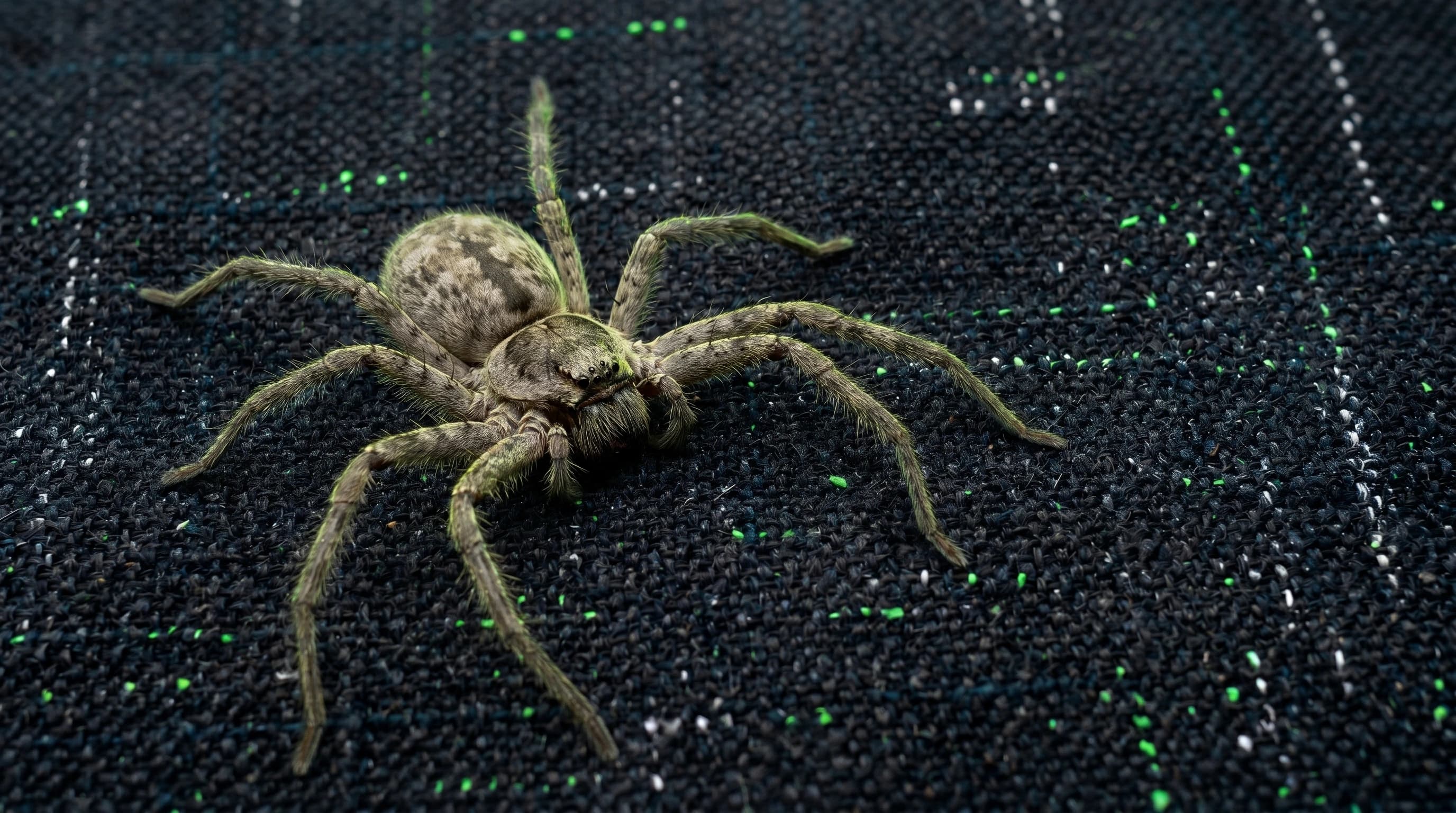
The big huntsman
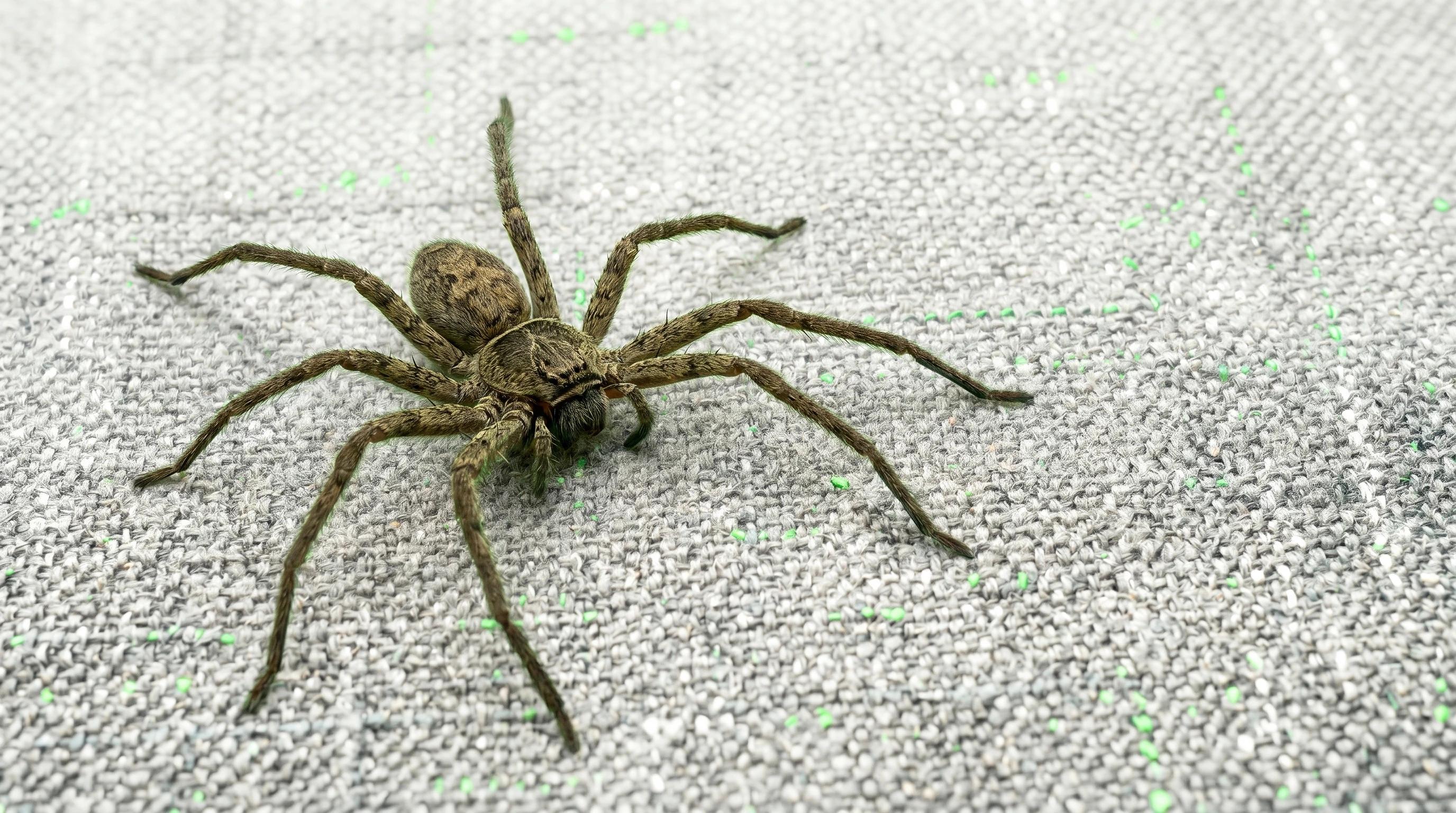
The classic Australian indoor spider: large (legspan up to 15 cm), grey-brown, flat body, fast sideways scuttle. Not dangerous. Bites occur but are rare and produce a localised painful wound. No antivenom, no long-term effect. Useful predators of cockroaches and other insects.
Huntsmans don’t form webs in your house. The ones you see have come in through gaps in eaves, doors, screens. Exclusion (eaves screens, weather strips) reduces them more than chemical treatment.
The dangerous ones
Funnel-web spider
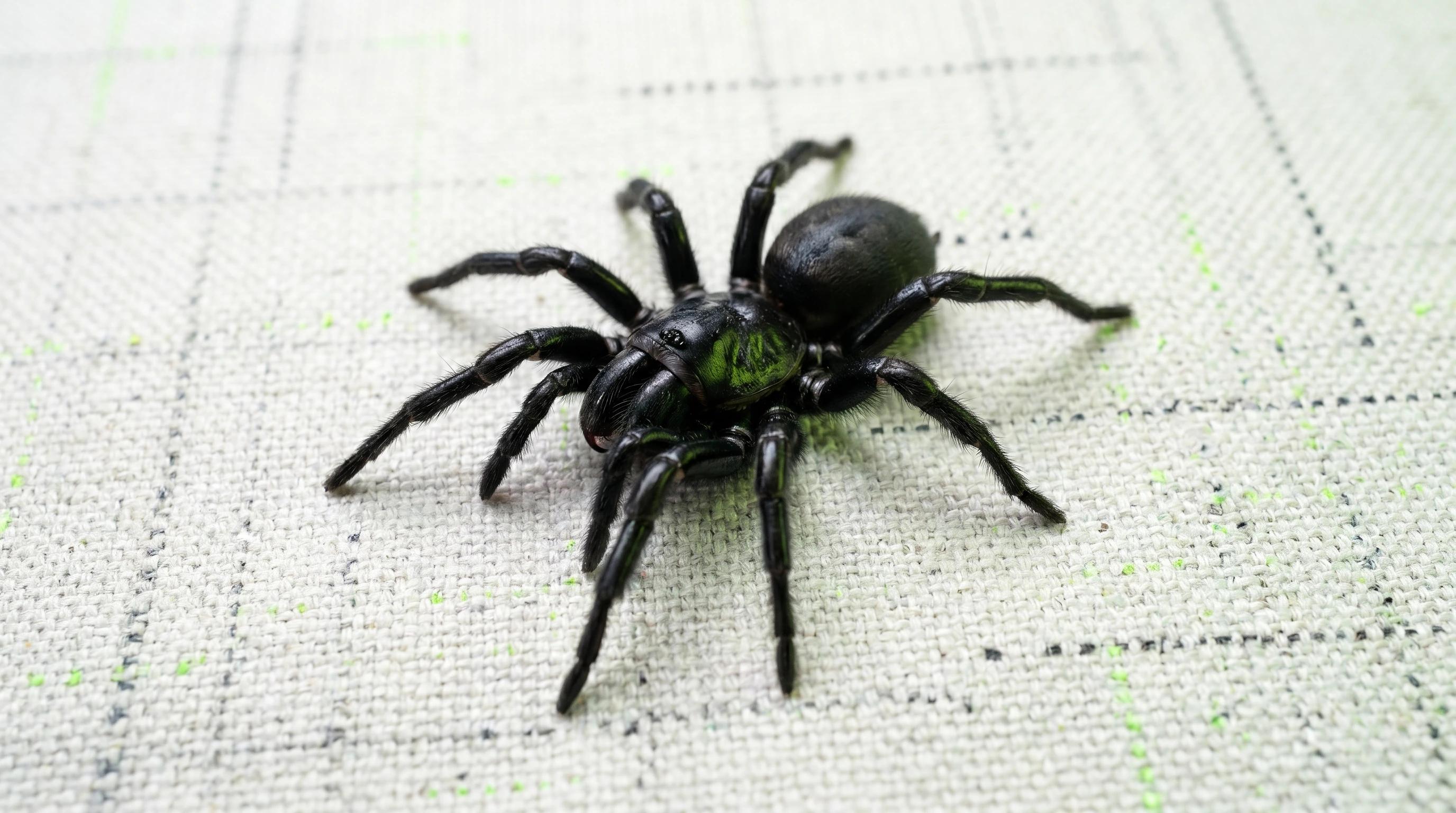
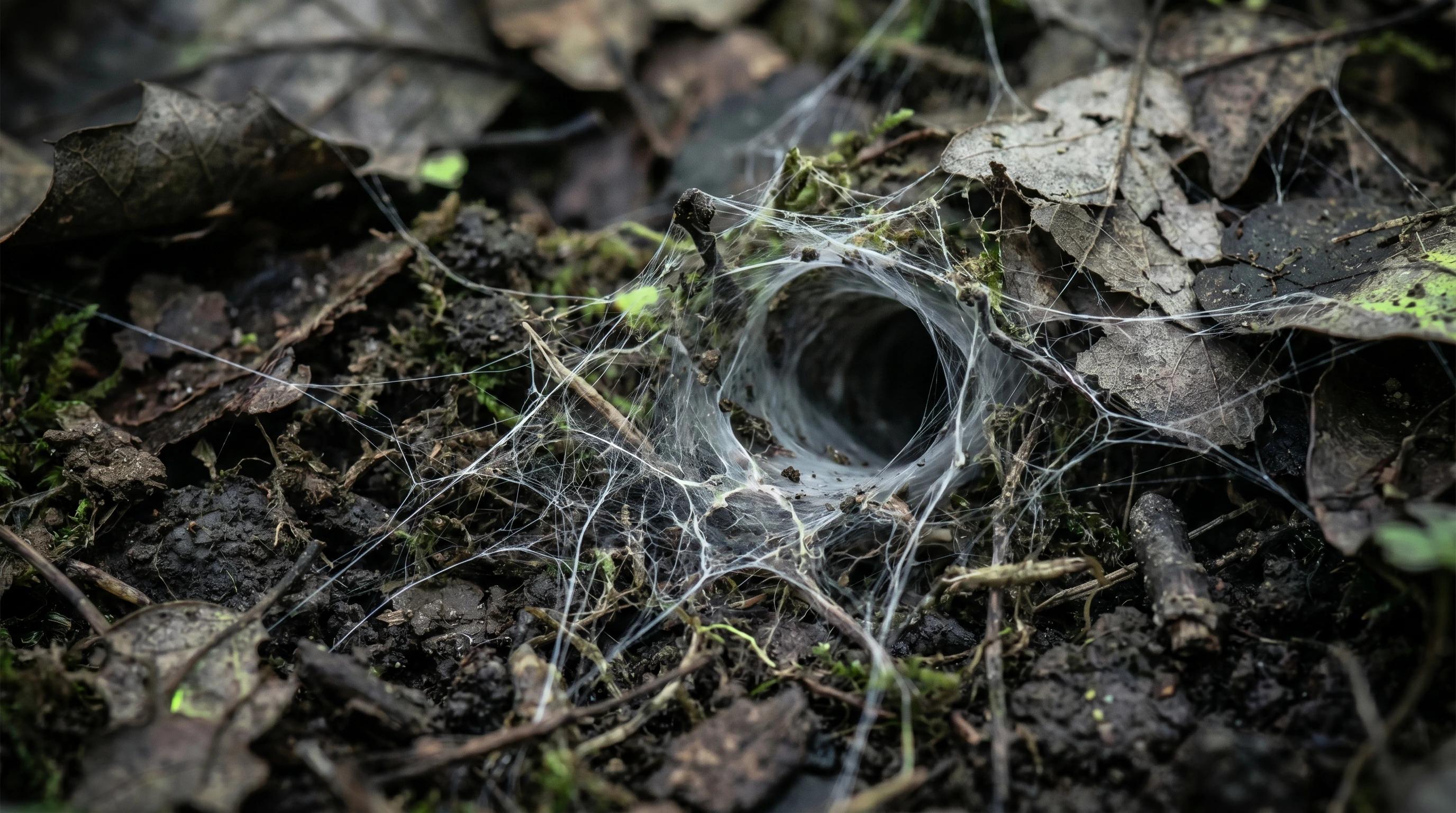
Glossy black, 1–5 cm body, large fangs visible when the spider rears. Aggressive when cornered. Found in parts of eastern and southern Australia, especially around Sydney. Builds silk-lined burrows in the ground or under logs. Occasionally falls into swimming pools or wanders into garages and laundries.
Redback spider
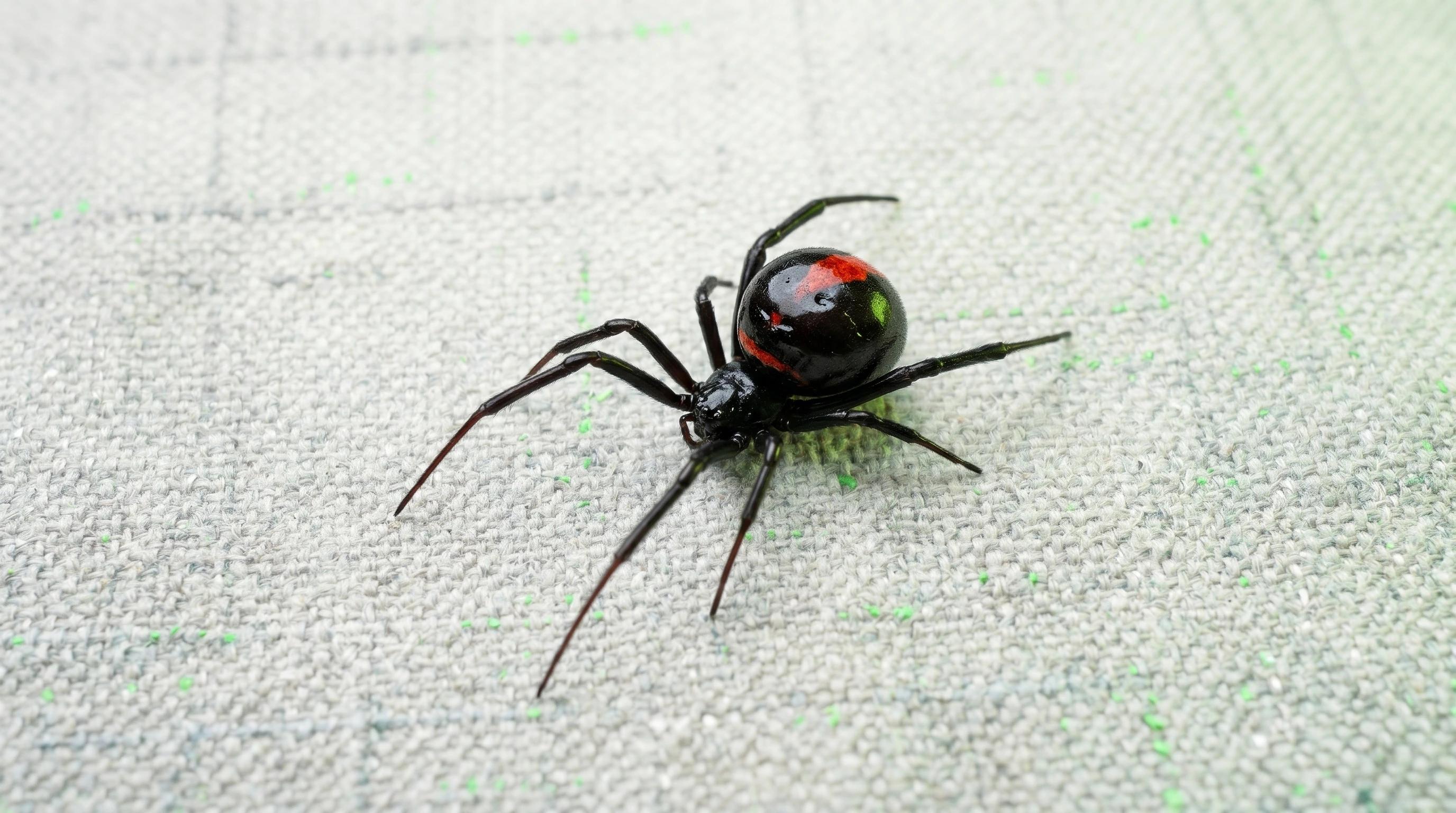
5–10 mm female body (small), glossy black with the iconic red stripe down the back. Builds messy, tangled webs in dry sheltered spots: under garden furniture, inside letterboxes, in the corners of garden sheds, under house eaves, around outdoor toilet seats. Found Australia-wide.
Bites are painful (severe local pain, sweating, nausea, sometimes symptoms beyond the bite). Deaths are very rare. Apply an ice pack (not a pressure bandage, unlike funnel-web first aid) and keep the person calm. Get medical help if the pain is bad, spreading or not easing, or if the person bitten is a child or an older person. Pain relief is the main treatment; antivenom is sometimes used.
White-tailed spider
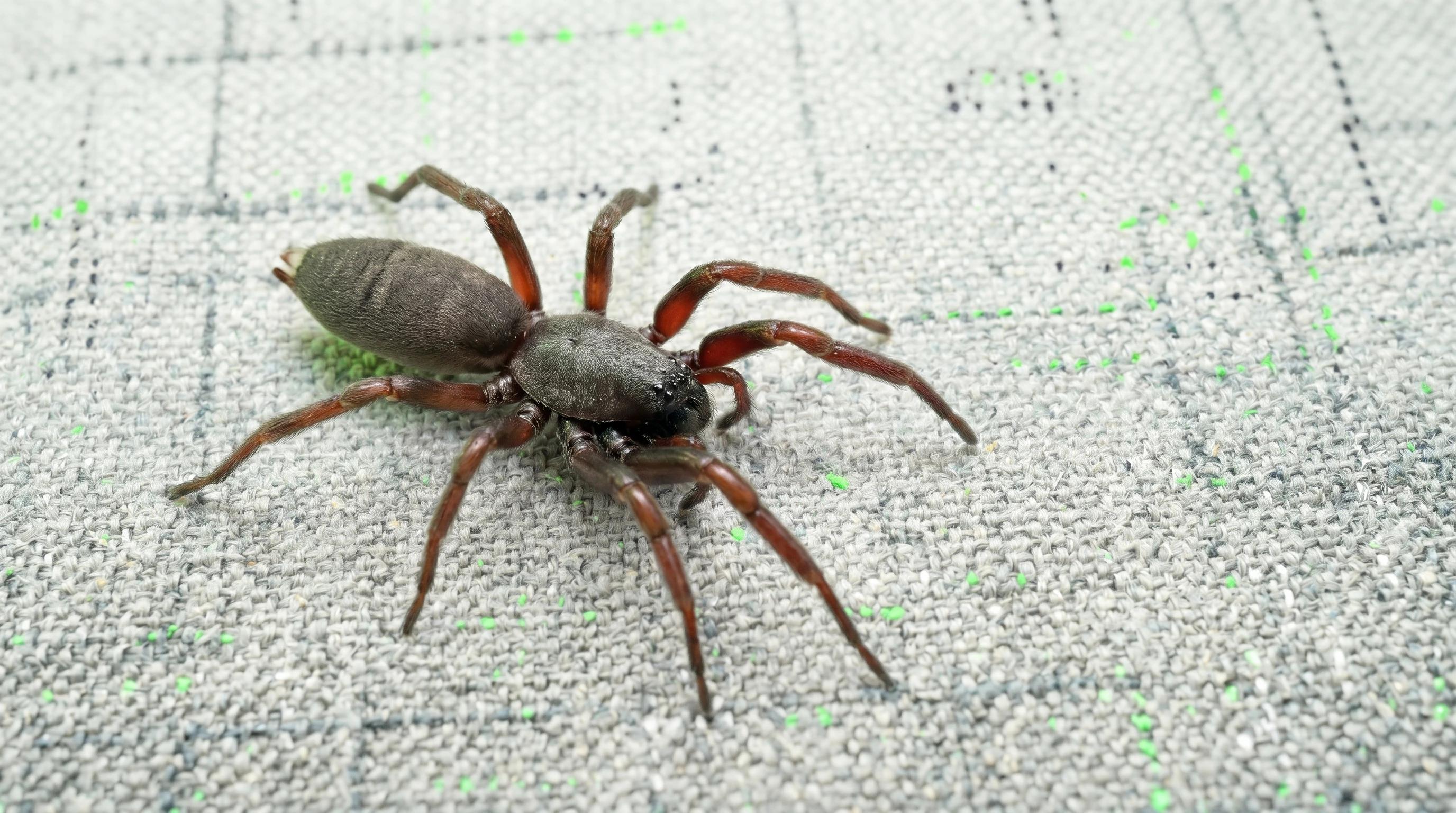
18–25 mm slender grey/brown body with a small white spot at the back of the abdomen. Often blamed for “necrotic” skin lesions. The necrosis link is not supported by modern medical evidence. Multiple Australian studies have found no flesh-eating effect. White-tail bites are painful and itchy but heal normally.
Hunters at night, common in laundry baskets, beneath shoes, in folded towels. They prey on other spiders. Bite if pressed against skin (lying on bedding, putting on clothing) but don’t bite unprompted.
The mostly-harmless ones
Daddy-long-legs / cellar spider
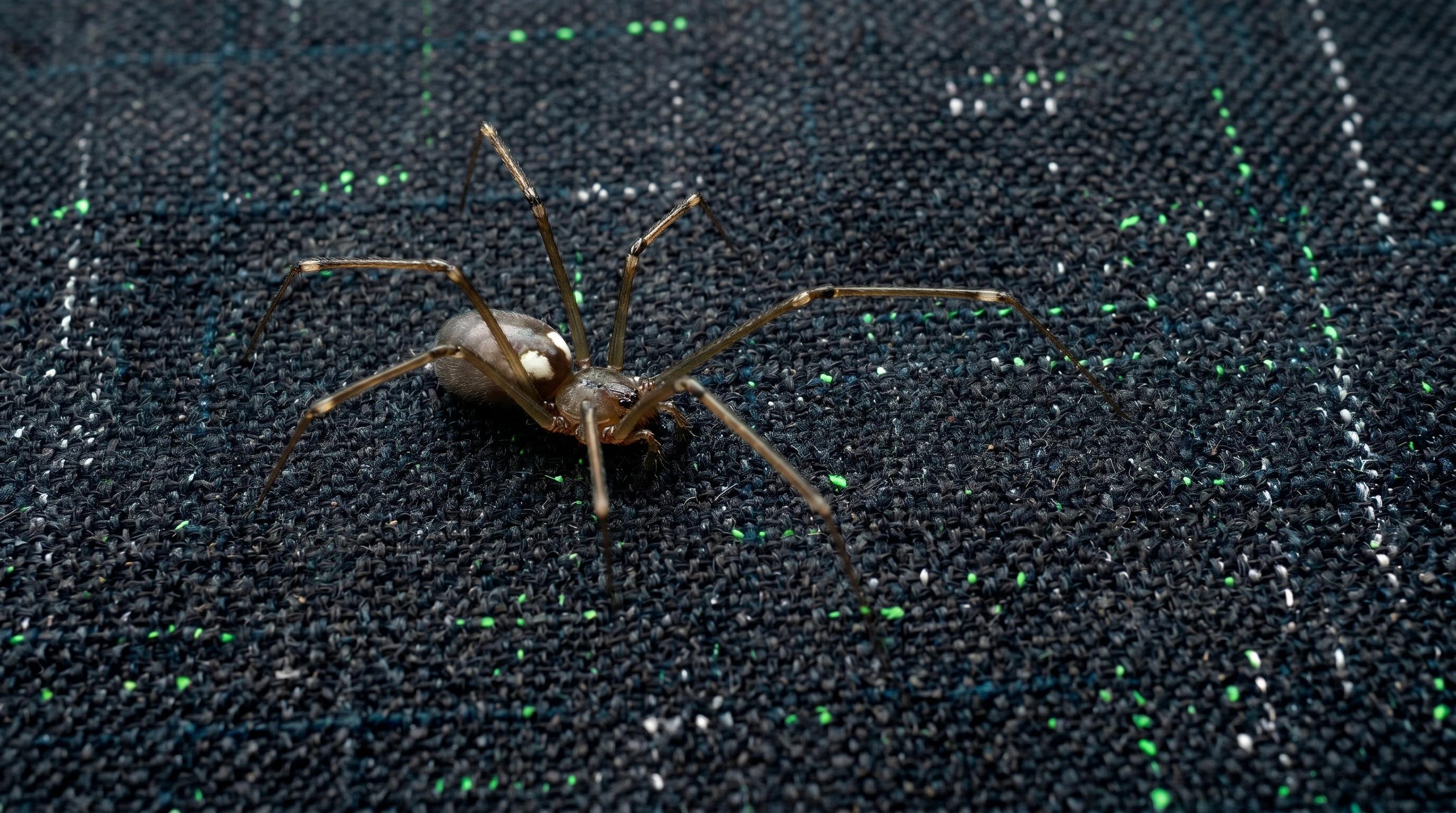
6–10 mm body with extremely long thin legs. Builds messy webs in corners, ceilings, behind doors. Not dangerous. The myth that their venom is the most potent but their fangs can’t penetrate human skin has been debunked. They’re just not toxic to humans. They do prey on other spiders, including redbacks.
Garden orb weaver
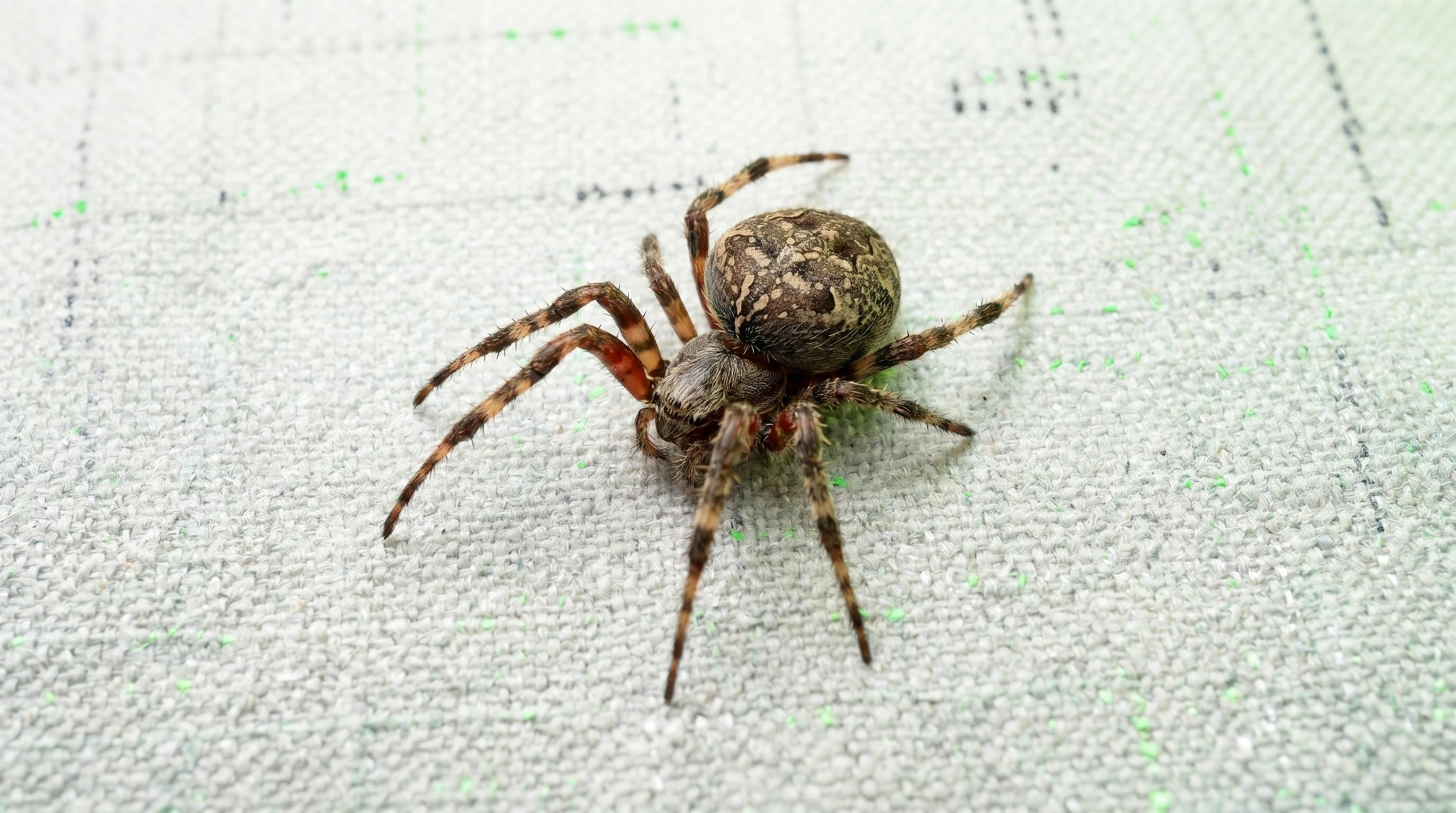
Builds large circular webs strung between shrubs, eaves, fences. Brown or grey body, ~2–3 cm. Outdoor only. Not dangerous. Webs are unsightly but the spider removes them and rebuilds each evening. Daytime removal of the web is what most people end up doing.
Wolf spider
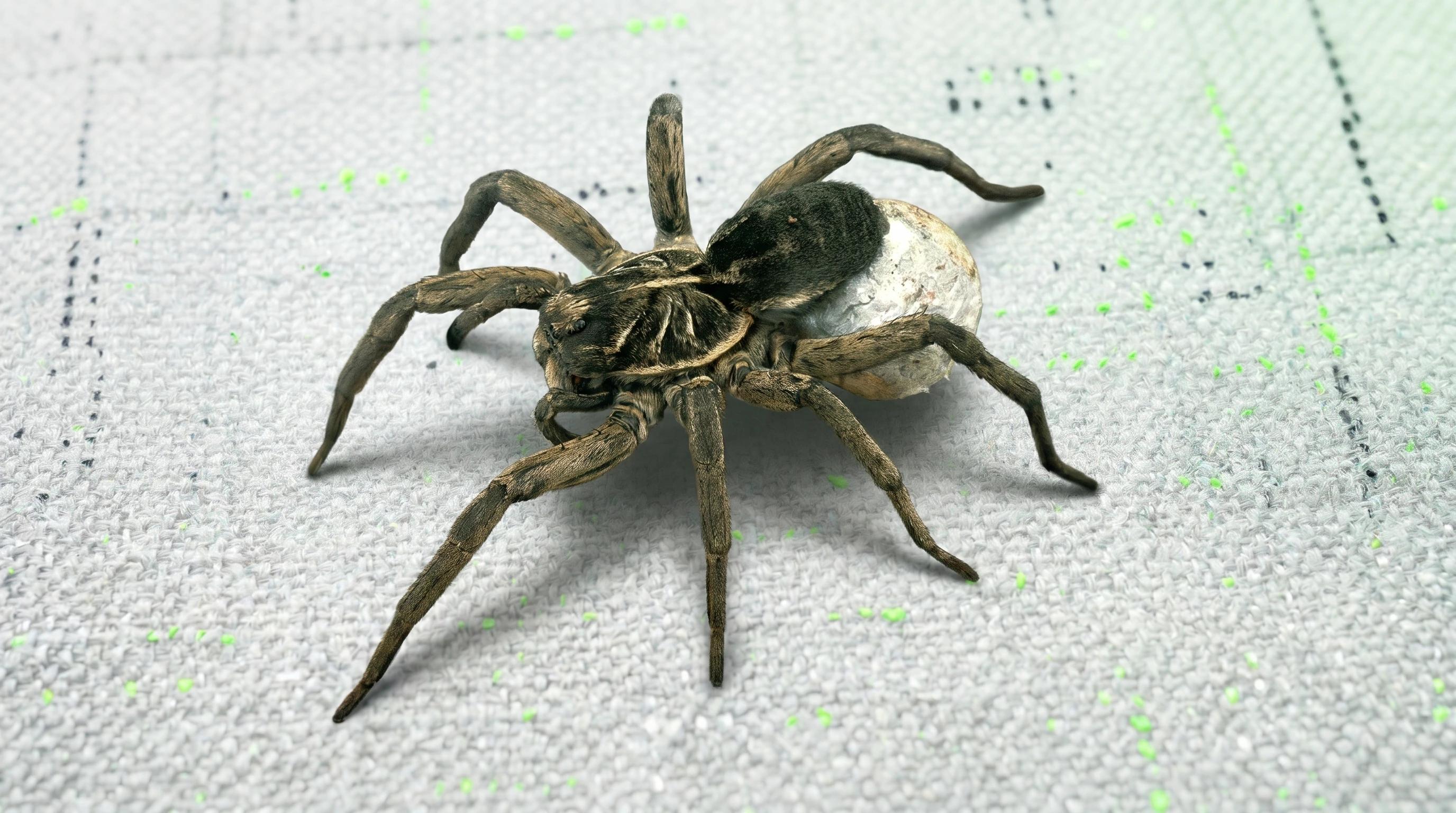
Brown to grey, ~1.5–3 cm body, hunts on the ground (no webs). Often confused for funnel-webs but smaller and slimmer. Live in burrows in gardens. Sometimes wander indoors. Bites are painful but not medically dangerous.
When pest control actually helps
A standard general pest treatment (perimeter spray + eaves) reduces overall spider numbers because:
- Sprayed spiders die on contact
- Spiders that walk on treated surfaces over the warranty period (3–6 months) die
- The pest population spiders feed on is also reduced: fewer prey, fewer spiders
What chemical treatment doesn’t do well: target a specific spider type. If you have a funnel-web problem on a property bordering bushland, no general treatment fully eliminates them. The right approach is exclusion (fine mesh screens, gloves and closed shoes when gardening, shaking out shoes), not heavier chemicals.
Treatment cost
Bundled into an annual general pest control treatment: $180–$400 covers spiders along with cockroaches, ants, and silverfish. See our how-often guide for what to ask for.
Quick safety summary
- Funnel-web or big black spider bite → 000, then a firm bandage over the whole limb, and keep still
- Redback bite → ice pack, no pressure bandage, medical help if the pain is bad or spreading
- White-tail / huntsman / wolf bite → wash, ice pack, pain relief, and see a doctor if it gets worse
- Any bite + breathing difficulty, swelling, rapid pulse, or persistent symptoms → 000