Strata pest control: whose responsibility is what?
Who pays for what when there’s a pest problem in a strata complex (individual lot vs common property), and the steps to get it actioned.
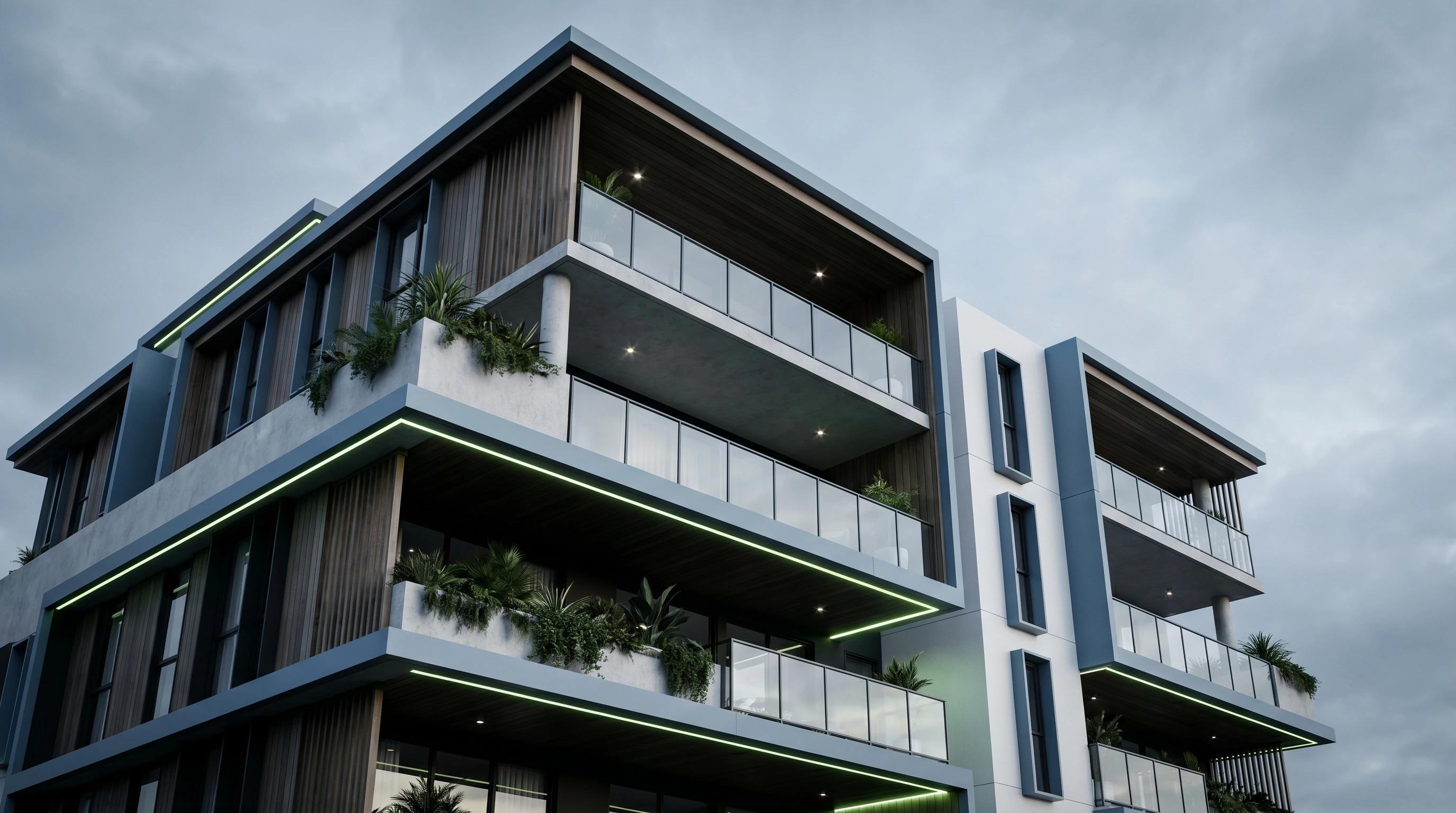
What counts as common property
Strata law varies a little by state but the common-property categories are broadly similar across NSW, VIC, QLD, SA, WA, ACT:
- The building’s exterior walls, roof, and foundations
- Common stairwells, lifts, corridors, lobbies
- Basement parking and storage cages
- Communal gardens, lawns, courtyards
- Communal services (gas, water, electrical, comms) up to the point of entry into the unit
- Pipes inside the wall cavity between two units
- Ducts, risers, and ceiling voids above your apartment (sometimes contested: depends on the strata plan)
- Pool, gym, BBQ areas (if applicable)
Your lot is the airspace inside your front door, balcony floor, and internal walls. It also includes anything inside that boundary (your kitchen, bathroom, fixtures), even if those things connect to common-property pipes.
Common pest scenarios: whose problem is it?
Cockroaches inside your apartment
Your problem if the source is your kitchen (food, leaks, hygiene). Treat at your cost. OC problem if cockroaches are clearly coming from the wall cavity, common-property pipes, or from a neighbouring unit through shared infrastructure. In practice, the OC will often coordinate a building-wide treatment if multiple units report the same issue.
Rodents in the roof, walls, or basement
Almost always OC problem. Roof, wall cavities, basement, and common-property ducts are the OC’s responsibility. Building-wide rodent programs (bait stations at every external entry point, quarterly monitoring) are standard practice in Australian strata complexes.
Termites in the building
OC problem for the structure. The structural timber framing is common property; termite damage to it is the building’s responsibility. Inside-the-lot timber (your built-in wardrobe, your skirting boards) gets fuzzier. Check your strata plan and by-laws. Most well-run OCs cover annual termite inspection of the whole building under common levies.
Bed bugs
Almost always your problem (lot): bed bugs originate from travellers, second-hand items, share-house transfers. But: if the OC can be shown multiple units have bed bugs and they’re moving through wall cavities, the OC may need to coordinate (and fund) a building-wide response.
Possums in the roof void above your apartment
OC problem. Roof void is common property even if it’s above your lot. Exclusion and repair are the OC’s job. See our possum guide.
Mosquitoes from a poorly-maintained pool or pond
OC problem. If a common-property water feature is breeding mosquitoes, the OC has to maintain it. Tenants and owners can raise it with the committee.
Wasps in eaves or common areas
OC problem. Eaves and external building features are common property. Don’t pay for it yourself. Raise it with the committee or strata manager. Same applies to bird/pest nests in common-property gutters.
How to get the OC to act
Three escalation steps, in order:
- Email the strata manager. Plain factual description of what you’re seeing, where, and when it started. Photos help. The strata manager raises it as a maintenance request without needing committee approval if the cost is within the spending authority the OC has delegated to them. Your by-laws set the exact limit.
- Raise it at the next committee meeting if the strata manager isn’t actioning it. The committee can approve larger spends.
- Apply to the relevant tribunal if the OC refuses to act on clearly-common-property pests: NCAT (NSW), VCAT (VIC), SACAT (SA), SAT (WA), ACAT (ACT). In Queensland, start with the Office of the Commissioner for Body Corporate and Community Management (conciliation, then adjudication); QCAT only hears appeals from that process. Most states expect you to try their dispute service or mediation first. Tribunals and adjudicators can order the OC to undertake works. Search “[your state] strata tribunal pest control” for application forms.
If you’re on the strata committee
Building-wide best practice for pest control:
- Annual general pest treatment of all common property (lobbies, stairwells, basement, garage, gardens). Funded from levies. Cost depends on the size of the building and how often the pest controller visits.
- Annual termite inspection of the whole building. Critical: termite damage in a multi-unit building is expensive to repair if it is missed.
- Ongoing rodent baiting program: tamper-resistant stations at every external entry point, monitored quarterly.
- Clear by-laws on lot-vs-common pest responsibility. Reduces disputes when an owner reports something ambiguous.
- A single preferred pest controller on retainer who knows the building. Cheaper and faster than ad-hoc bookings.
Cost (typical Australian strata)
Strata pest control is quoted per building. The price depends on the number of lots, the size of the common areas and how often the pest controller visits. A building-wide program usually costs less than separate callouts for each unit, and mixed-use buildings are quoted for the commercial portion on top.
Allocated through strata levies. Compared to the cost of one significant termite event, the annual program is cheap insurance.