White ants: how often should you get a termite inspection?
“White ants” are termites. How often the Australian Standard says to inspect, what raises the risk for your home, and how to tell termites from flying ants.
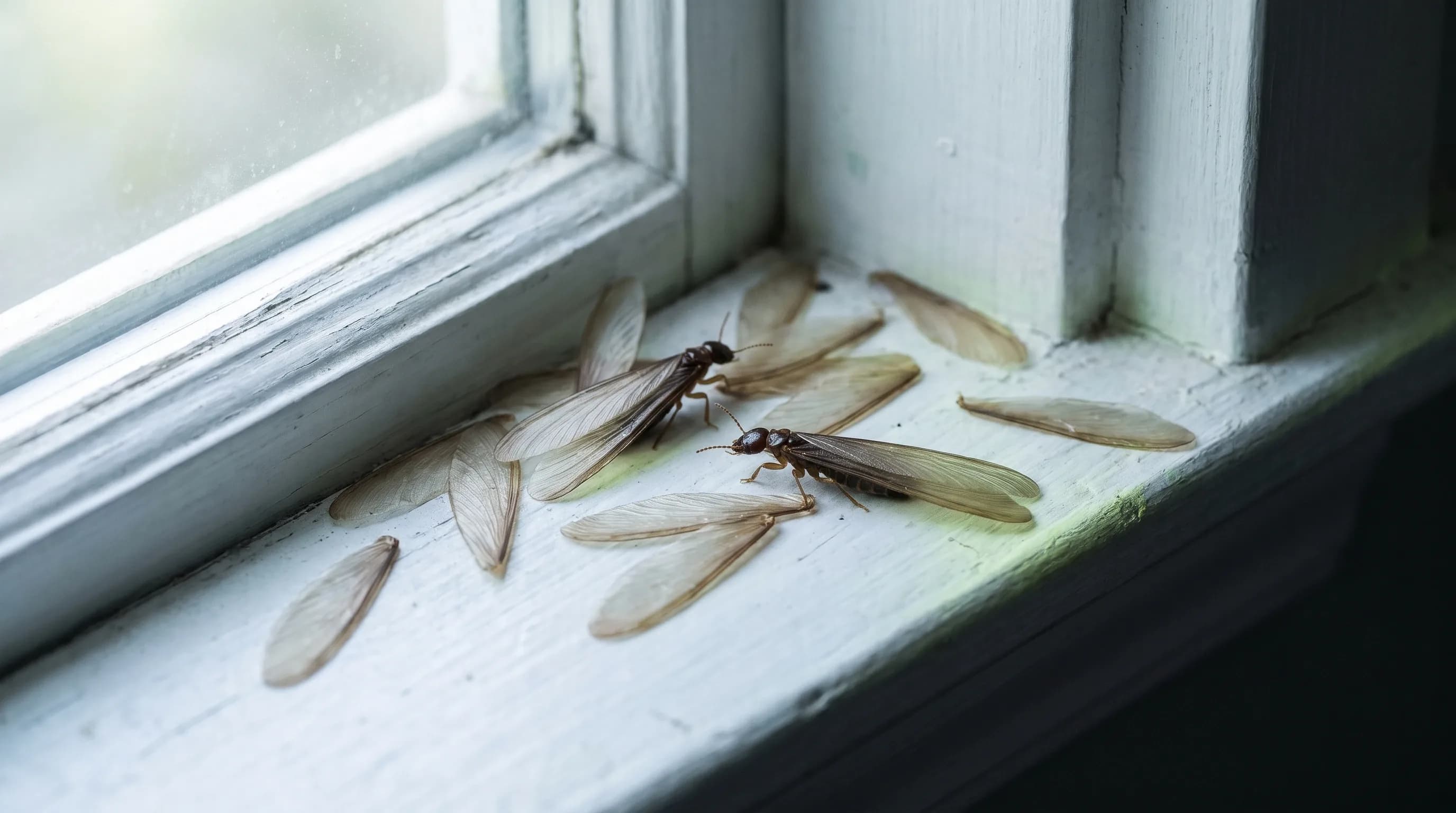
“White ants” is what a lot of Australians call termites. They aren’t ants at all: termites are closer to cockroaches. The name matters less than what they do, which is eat the timber in a house from the inside, out of sight. That’s why the answer to “how often should I check?” is a schedule, not a hunch.
How often to get an inspection
The Australian Standard for termite management in existing buildings (AS 3660.2) says regular inspections should be no more than 12 months apart. So once a year is the baseline for most homes, whether or not you’ve ever seen a termite.
Two situations call for closer checks:
- While termites are being treated: there’s no set gap during a treatment. Timing follows the termite activity and your pro’s advice. Monthly checks are recommended while termites are feeding on bait.
- With a bait or monitoring system: the stations need a service at least every 3 months.
Your inspector may also suggest a shorter gap for a higher-risk property. Things that raise the risk:
- Timber that touches the soil, such as posts, sleepers or a garden edge
- Damp under the house, leaking pipes, or poor drainage
- Poor airflow under a raised floor
- Garden beds or mulch built up against the walls
- Termites found on the property, or next door, before
When to book
A routine inspection works at any time of year. Spring is a good reminder, because flying termites often show up on warm, humid evenings in late spring and summer. If you see any of the signs of termites, book straight away rather than waiting for the yearly check.
White ants or ants? How to tell
Most people only see termites when the winged ones fly. Flying ants look similar, but there are three differences you can spot:
- Waist: a termite’s body is thick all the way along. An ant has a pinched waist.
- Antennae: a termite’s are straight. An ant’s are bent, like an elbow.
- Wings: a termite’s four wings are the same length. An ant’s front wings are longer than its back ones.
Worker termites are pale and soft, and you’ll rarely see them in the open. Piles of dropped wings on a windowsill are a common giveaway.
What the inspector checks
A standard termite inspection looks for termites and the damage they leave, and for the conditions that draw them in: dampness where it shouldn’t be, poor drainage or airflow, missing moisture barriers, and timber in contact with the ground. The inspector records what they find, with photos, and identifies the type of termite where they can. The species often needs a sample.
A typical house costs $220–$500 to inspect. For the full breakdown, read what a termite inspection costs and what the pro does.
Buying a house?
A pre-purchase timber pest report covers the same ground for a buyer, to its own Australian Standard. See our pre-purchase inspection guide.
Related
If termites are found, our termite treatment options guide compares barriers and baiting, and how often to get pest control covers the rest of the year.